A Sydney spring day can start at 12 degrees, reach the mid-20s by mid-afternoon, and be back in the teens by bedtime. Most homes ride that whole swing: warm by three, cool again by nine, with someone adjusting layers or switches the entire time.
A home built for thermal comfort barely notices. The outside moves; the inside holds. That steadiness is what this article is about, because it does not happen by accident.
Thermal comfort is more than a thermostat number
When building scientists talk about thermal comfort, they mean the whole picture of how a space feels:
- The air temperature, which is the only part the thermostat sees
- The temperature of the surfaces around you: walls, windows, floors and ceilings
- Air movement, because even a small draught reads as cold on skin
- Humidity, which changes how the same temperature feels
This is why two rooms at an identical 22 degrees can feel completely different. One has warm surfaces and still air. The other has a cold window wall and a draught under the door. Your body notices the difference even when the thermostat cannot.
What a stable home feels like day to day
Stability is one of those qualities that is hard to sell and easy to live with. In practice it means the bedroom you wake up in is the same temperature as the kitchen you walk into. The kids' rooms are not a different climate to yours. The home office is usable at 4pm without a fan or a jumper. Nobody is negotiating with the weather all day.
It also means better nights. Sleep is sensitive to temperature swings, and a bedroom that drifts cold in the early hours wakes people without them knowing why.
The spring bind: windows or fresh air
October is pollen season, and plenty of households spend it choosing between two unsatisfying options: windows open and pollen inside, or windows shut and the house getting stale.
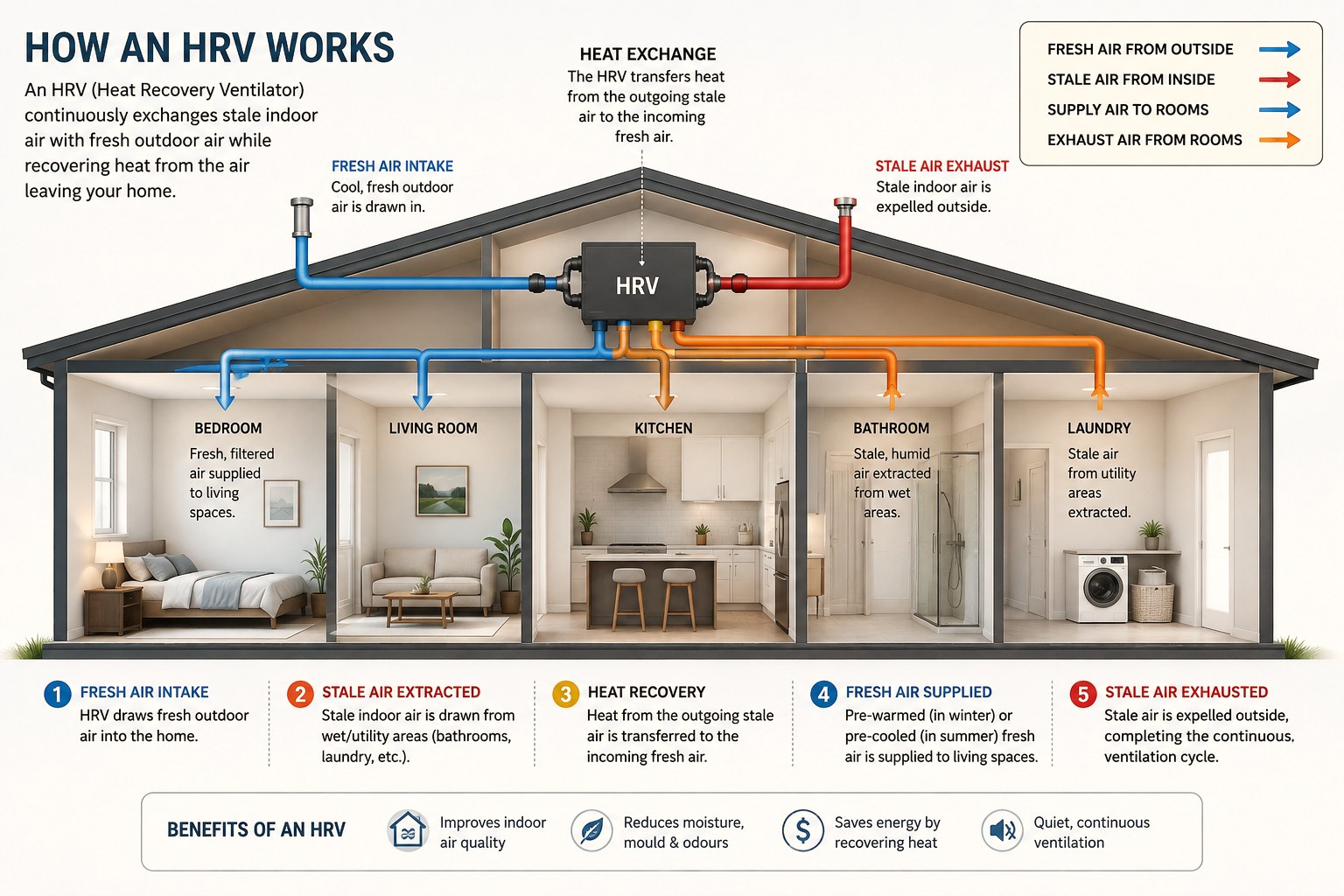
There is a third option. Mechanical ventilation with heat recovery supplies a continuous, gentle stream of fresh air, filtered at the intake, while recovering the warmth or coolness of the air on its way out. The windows still open whenever you want them open. The difference is that fresh air no longer depends on them. We wrote about that choice in an earlier article, Can You Open the Windows in a Passivhaus?
How stability is built
None of this comes from one product. A stable internal environment is the result of the building envelope working as a system: continuous insulation, airtight construction, good windows with sensible shading, junctions detailed so heat has no easy bridge through the structure, and ventilation designed rather than left to gaps and habits. The Australian Government's YourHome guide to passive design covers the same ground from first principles.
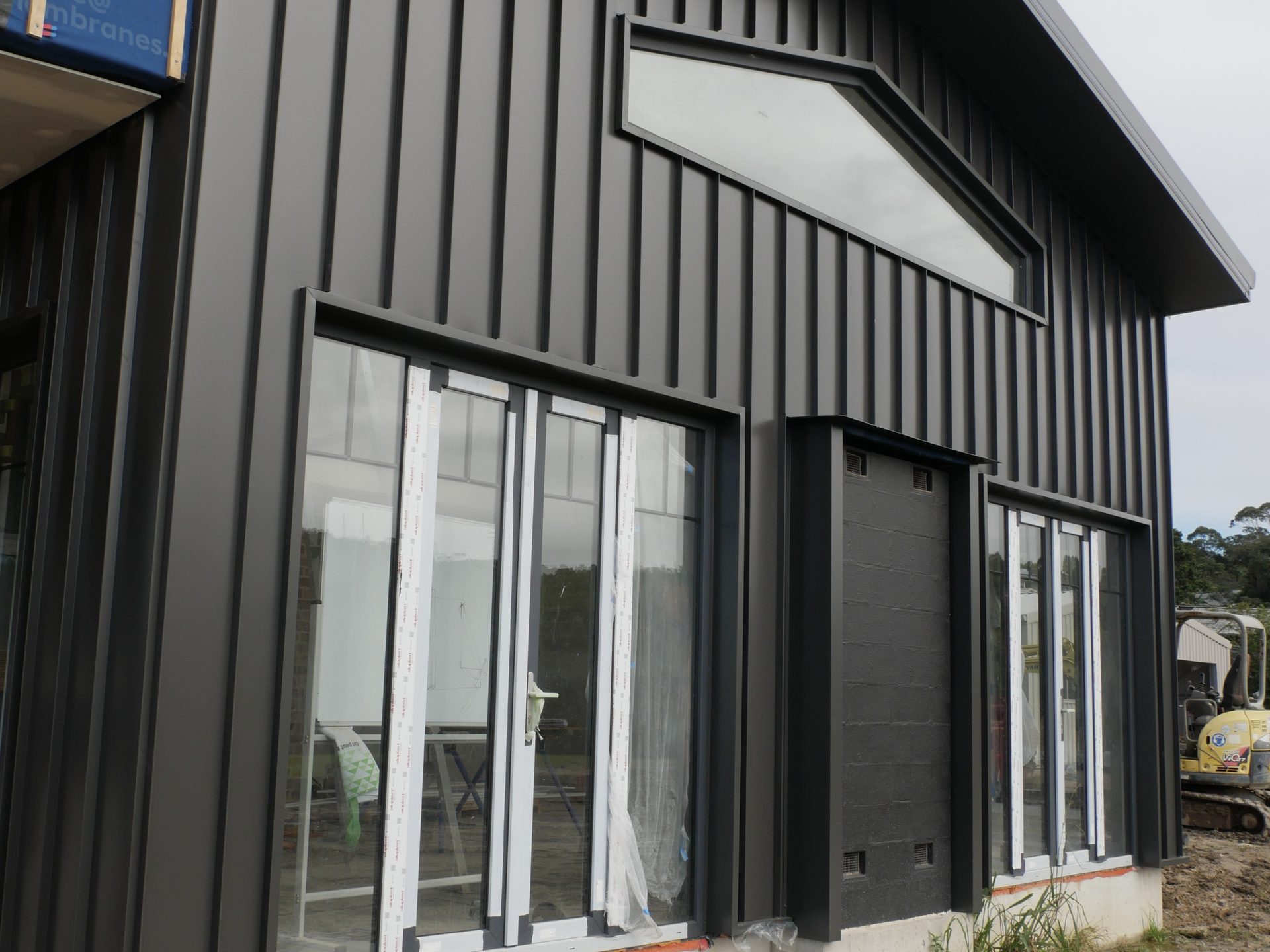
That is how a Passivhaus is put together, and it is the way we approach every project, whether or not certification is on the table. Certified Passivhaus is the goal we are working towards; the comfort this approach delivers is available to any well-planned build or renovation now.
Decided early, enjoyed for decades
Every item on that list is settled at design and costing stage. Insulation continuity, window specification, airtightness, ventilation: these are lines in a budget and details on a drawing long before they are materials on a truck. That is why the builder is worth involving while the design is still moving. It is the cheapest moment the comfort of the finished home will ever have.
If you are planning a build or renovation and want the comfort side thought through early, we would be glad to talk it through. Reach out and start a conversation here.
AGATHĒ builds architectural and Passivhaus homes across Sydney's North Shore, the Northern Beaches, the Hills district, the Central Coast and Newcastle, and their surrounds. Our founder Mitch Chan is a Certified Passivhaus Tradesperson, and we are members of the Australian Passivhaus Association. If you are working out what a stable, comfortable home would take on your project, we are always happy to talk it through.
Start a ConversationNot at the conversation stage yet? If this topic has you curious, the Healthy Homes newsletter is the easy way to keep learning, with no obligation attached.