HEALTHY HOMES BLOG
Passive House Design Principles: What They Are, What They Prevent, and Why the Order Matters
Most builders can talk about Passive House principles — far fewer can prove they’ve successfully delivered them. In this article, AGATHĒ Builders explores the one question every homeowner should ask before starting a high-performance build or renovation, and why airtightness testing, ventilation commissioning, and early planning decisions matter more than most people realise.
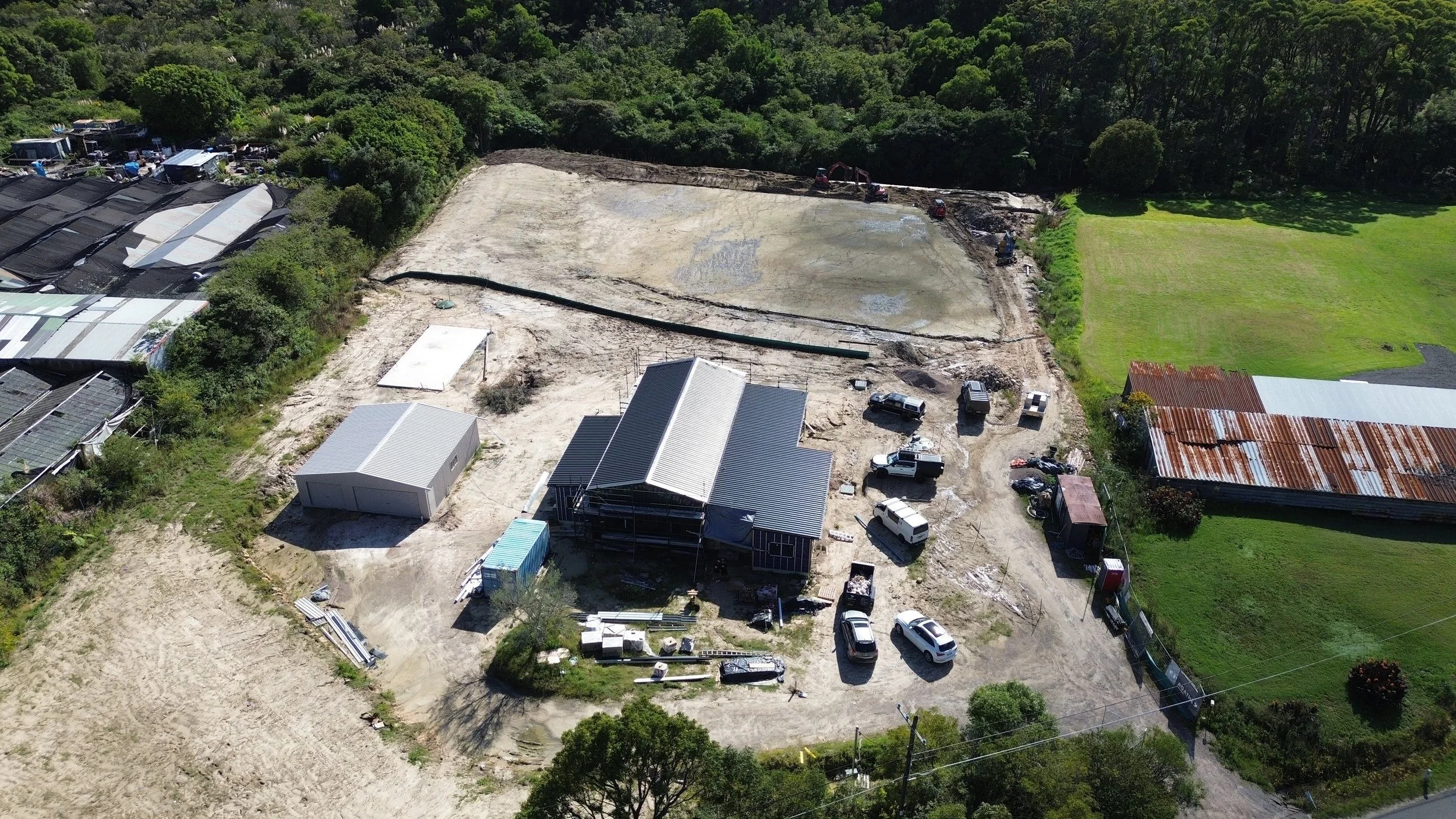
Building a Passive House in Sydney
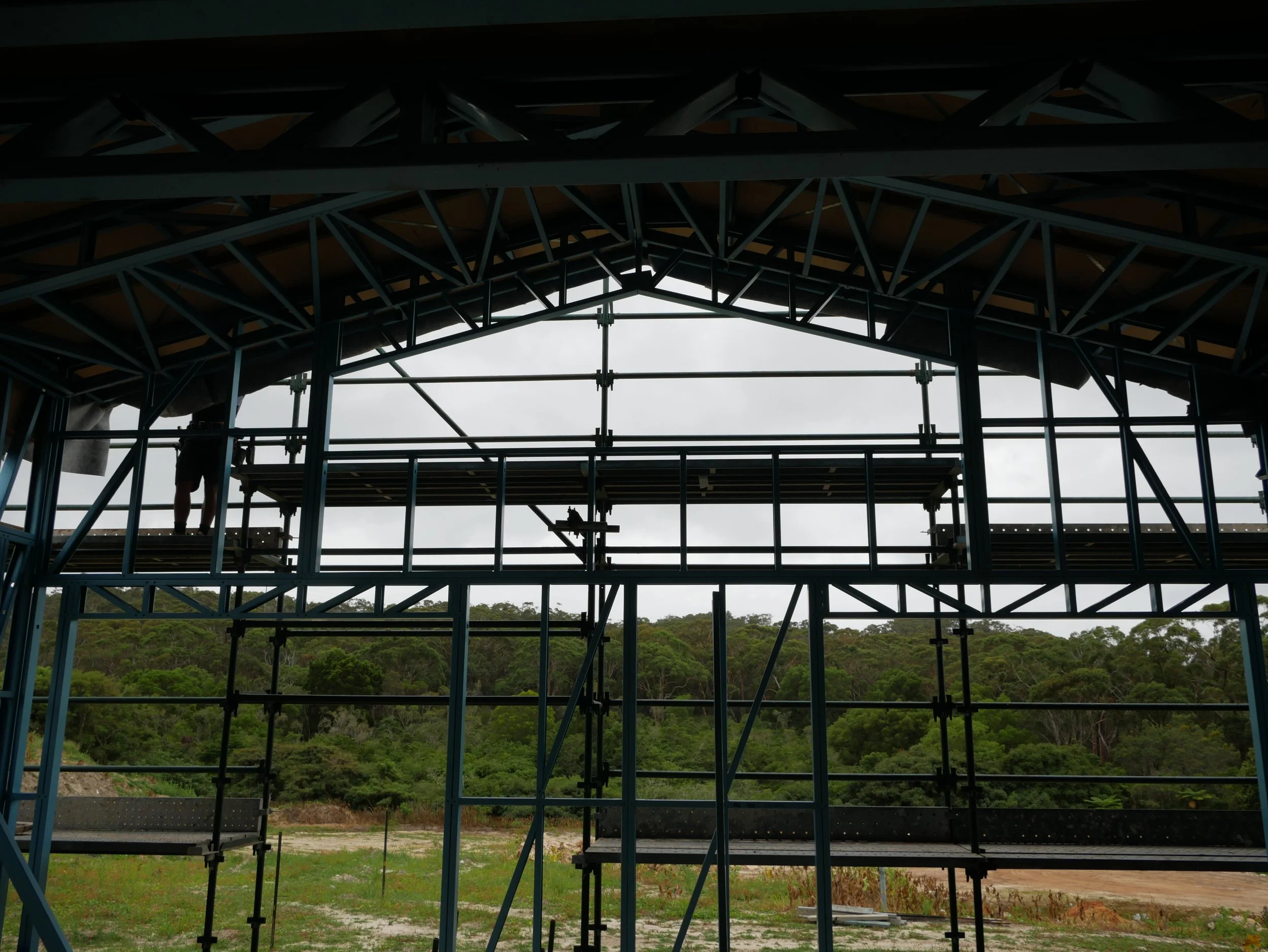
The Invisible Environment Inside Your Home
Some homes just feel better to live in.
The air feels lighter. The temperature more consistent. The space more calm.
That feeling isn’t accidental — it’s the result of decisions made long before construction begins, shaping the invisible environment inside the home.
CONDENSATION, MOULD, AND DESIGN MISTAKES THAT CAUSES IT ALL
Condensation isn’t the problem. It’s the symptom.
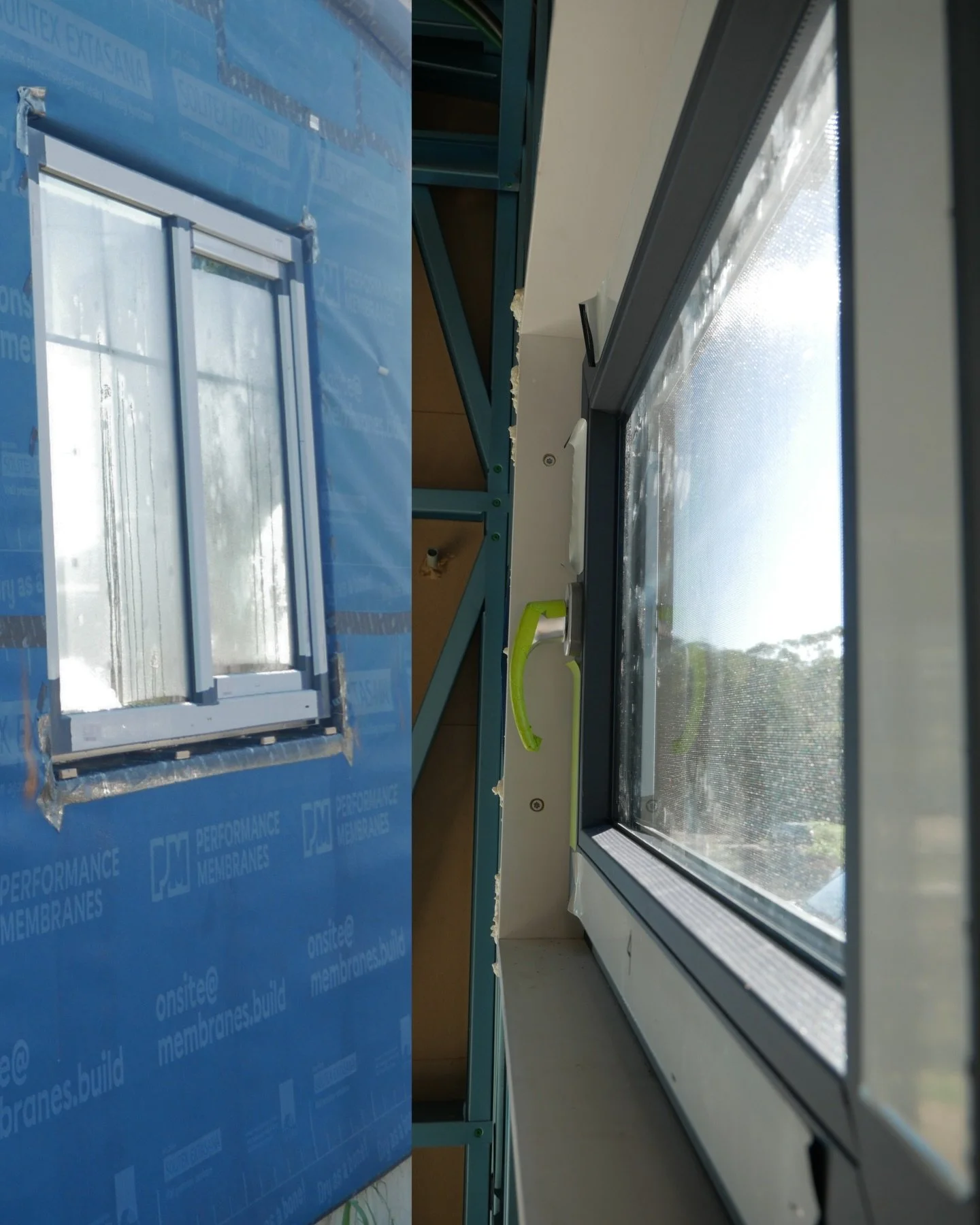
Many homes develop mould, damp smells, and hidden structural damage years after construction — not because of poor maintenance, but because of design decisions made before the build even began. The real culprit is often thermal bridging: an overlooked flaw that allows heat and moisture to move through a building uncontrollably, creating condensation inside the walls where you can’t see it.
In this article, we break down how thermal bridging, air conditioning, foil sarking, and poorly performing windows combine to trap moisture inside modern homes — and what needs to be considered early to prevent it entirely. Because once the walls are closed, the outcome is already set.
MOST NEW HOMES ARE BUILT TO CREATE MOULD (UNLESS YOU ASK YOUR BUILDER THESE 5 QUESTIONS)
THIS IS THE WORST WAY TO START YOUR RENOVATION (AND THE EASIEST WAY TO BLOW YOUR BUDGET)
Renovations don’t stall because people lack vision — they stall because the process starts out of sequence. Drawings alone can’t reveal the structure, materials, installation methods, site conditions, or performance expectations that shape real cost. This post explains why your builder should be involved long before your plans are finalised, and how that one shift can save you thousands.

ARE HEALTHY HOMES REALLY WORTH IT?
Most homes look perfect on the surface — yet many quietly harbour mould, trapped moisture, and stale air that can harm the people inside them. In this article, Mitch Chan from AGATHĒ Builders reveals why true luxury starts behind the walls, not in front of them. Discover what makes a healthy home genuinely worth it — how breathable design, smart materials, and mindful craftsmanship can transform your space into one that not only looks beautiful but helps you live well for decades to come.

WHAT IT TAKES TO BUILD A HOME THAT LASTS
Luxury isn’t about what you can see — it’s about what stands the test of time. At AGATHĒ Builders, we believe a truly exceptional home is built on more than design and materials; it’s built on trust, health, and craftsmanship that endures. In this article, we share what it really takes to build a home that lasts — one that performs flawlessly behind the walls, supports your family’s wellbeing, and becomes a legacy you’re proud to live in for decades to come.
FAQ
-
Because many modern homes are built to minimum code using wall systems and construction methods that trap moisture. Even when a home is brand new, moisture can become sealed inside the walls during construction, creating the ideal conditions for mould to grow out of sight.
-
No. While leaks and high humidity can contribute, mould is often the result of design and construction decisions made long before a home is occupied. Wall wraps, moisture control, sequencing, and ventilation all play a major role.
-
Yes. Mould often develops inside wall cavities where it isn’t visible. A home can appear clean, new, and well finished while still experiencing moisture and air quality issues behind the plaster.
-
Building code sets minimum legal standards, not health-focused ones. Many materials and methods that meet code are not designed to manage moisture effectively in modern, airtight homes. “Compliant” and “healthy” are not the same thing.
-
Traditional foil sarking is not vapour-permeable, meaning it traps moisture inside the wall system instead of allowing it to escape. Over time, this trapped moisture can lead to condensation and mould growth.
-
If framing is lined while still wet, moisture becomes sealed inside the wall cavity. Once enclosed, that moisture has nowhere to go. Proper moisture testing or controlled drying is essential before walls are closed up.
-
A healthy home controls air movement without trapping moisture. This typically means being airtight on the inside (to control drafts and heat loss) and vapour-permeable on the outside (to allow moisture to escape safely).
-
In most cases, no. The cost difference between a standard wall system and a moisture-managed one is often small — sometimes less than 1% of the total build cost. The real difference is knowledge and decision-making at the right stage.
FOLLOW US