HEALTHY HOMES BLOG
The Invisible Environment Inside Your Home
Some homes just feel better to live in.
The air feels lighter. The temperature more consistent. The space more calm.
That feeling isn’t accidental — it’s the result of decisions made long before construction begins, shaping the invisible environment inside the home.

FAQ
-
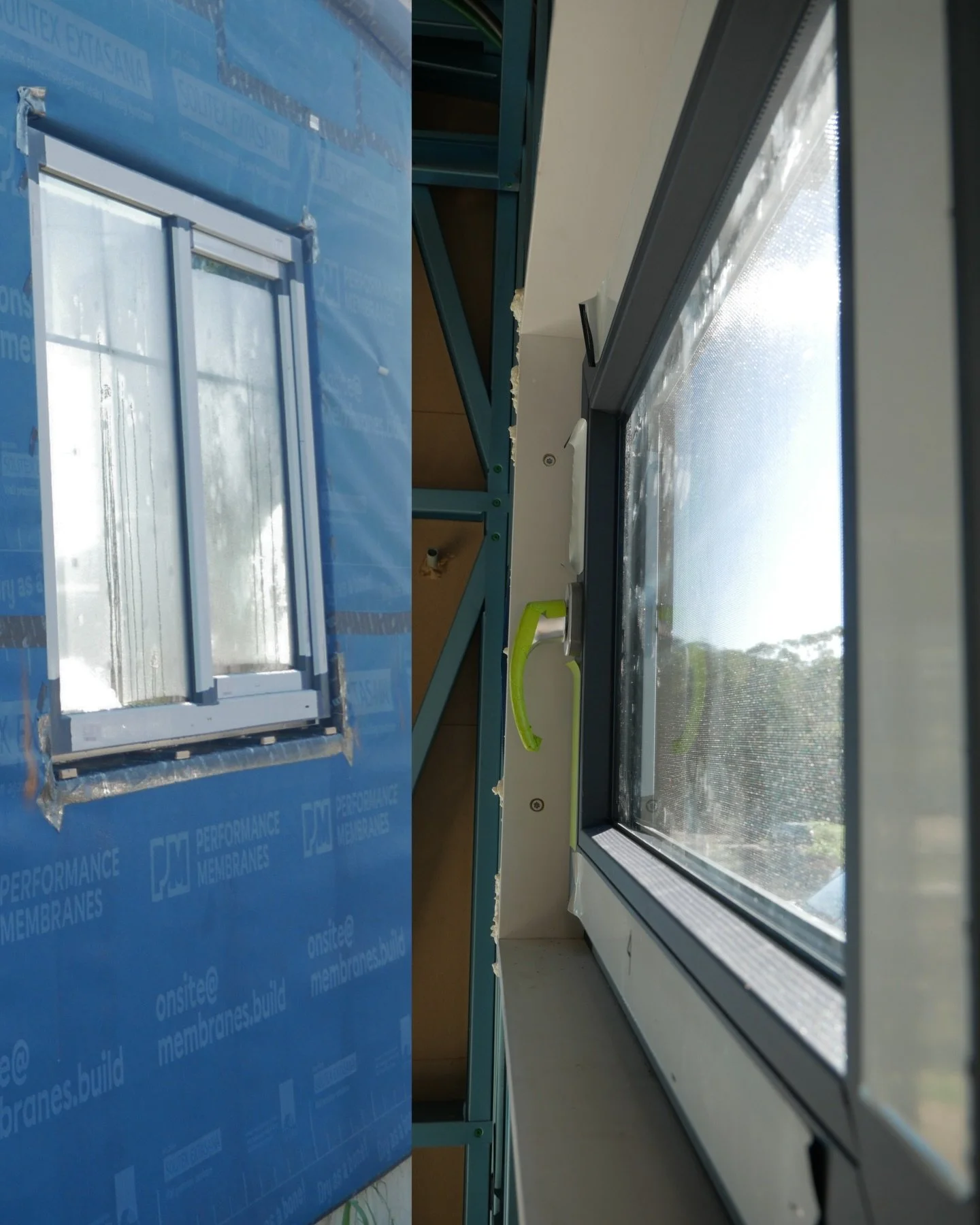
Because many modern homes are built to minimum code using wall systems and construction methods that trap moisture. Even when a home is brand new, moisture can become sealed inside the walls during construction, creating the ideal conditions for mould to grow out of sight.
-
No. While leaks and high humidity can contribute, mould is often the result of design and construction decisions made long before a home is occupied. Wall wraps, moisture control, sequencing, and ventilation all play a major role.
-
Yes. Mould often develops inside wall cavities where it isn’t visible. A home can appear clean, new, and well finished while still experiencing moisture and air quality issues behind the plaster.
-
Building code sets minimum legal standards, not health-focused ones. Many materials and methods that meet code are not designed to manage moisture effectively in modern, airtight homes. “Compliant” and “healthy” are not the same thing.
-
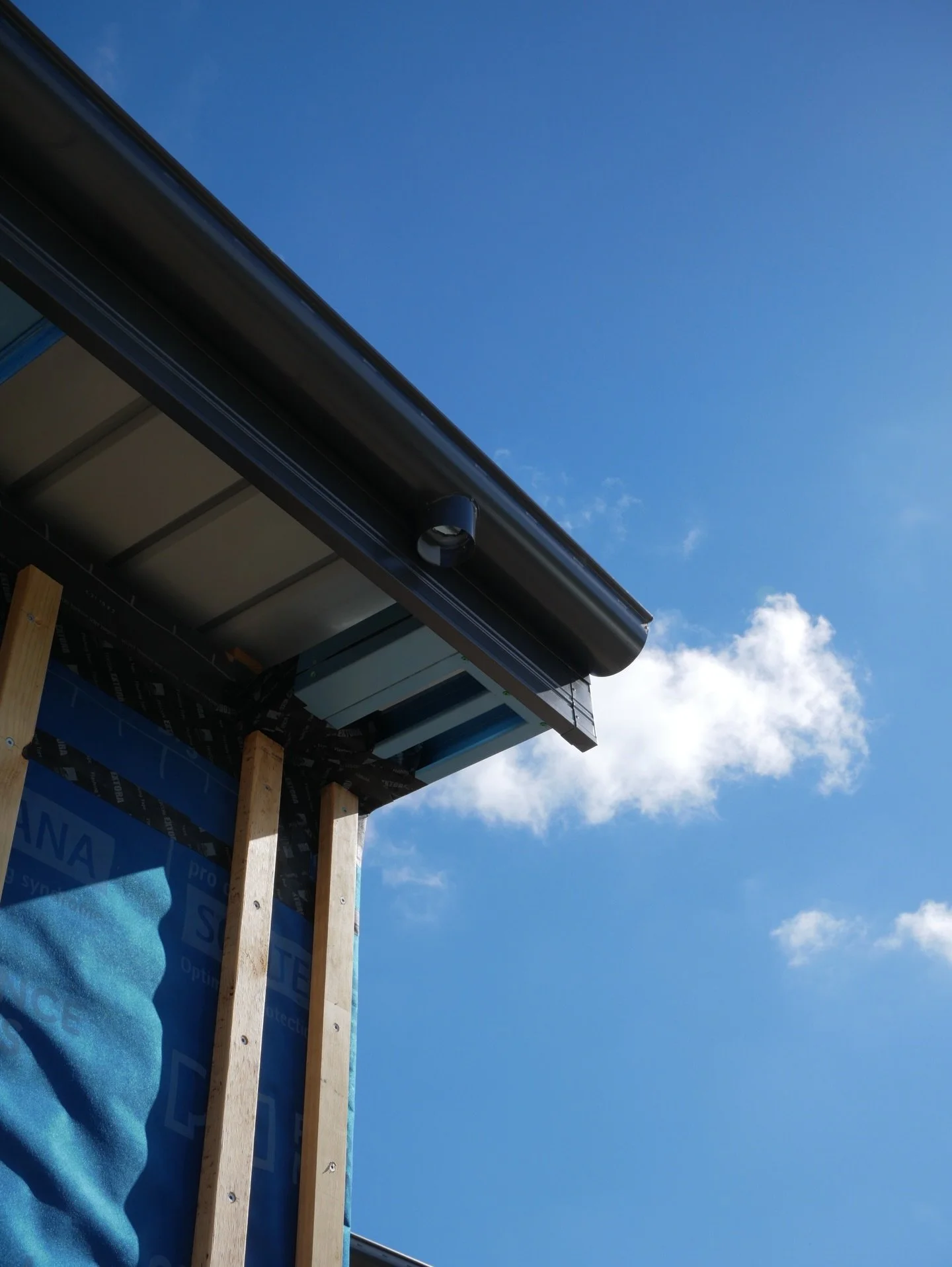
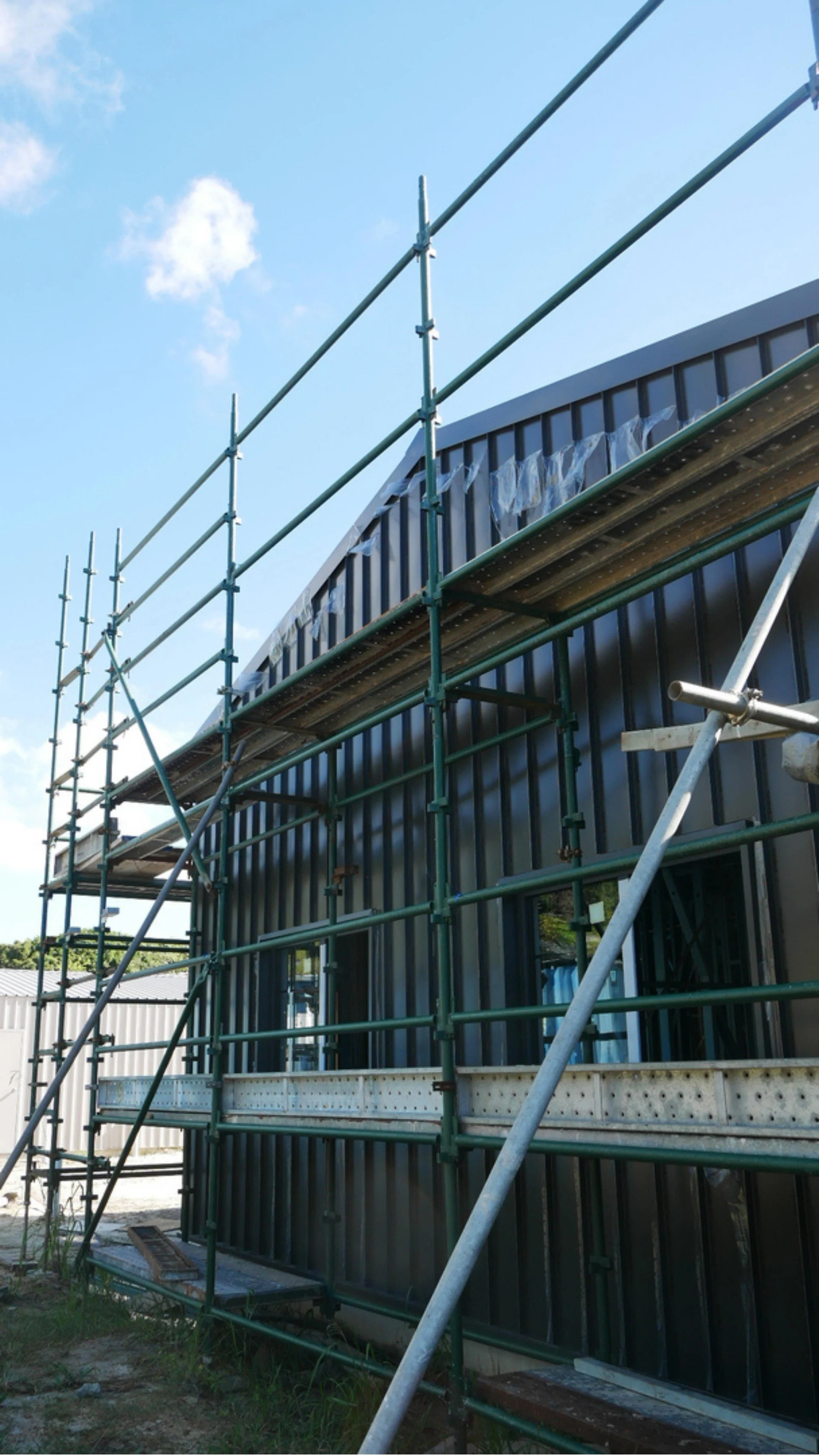
Traditional foil sarking is not vapour-permeable, meaning it traps moisture inside the wall system instead of allowing it to escape. Over time, this trapped moisture can lead to condensation and mould growth.
-
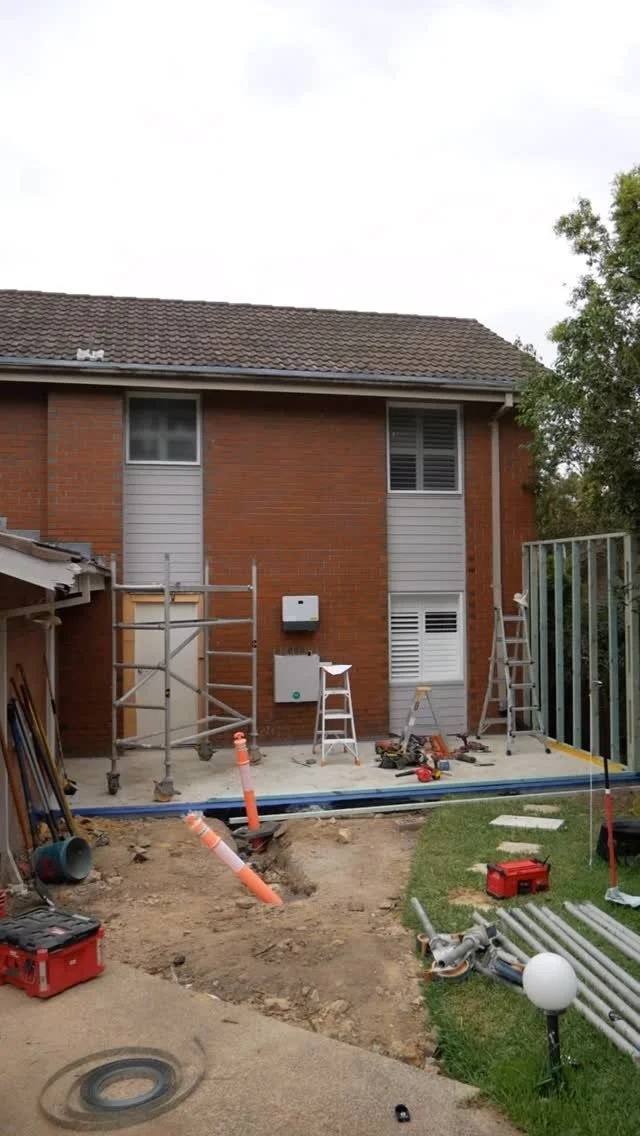
If framing is lined while still wet, moisture becomes sealed inside the wall cavity. Once enclosed, that moisture has nowhere to go. Proper moisture testing or controlled drying is essential before walls are closed up.
-
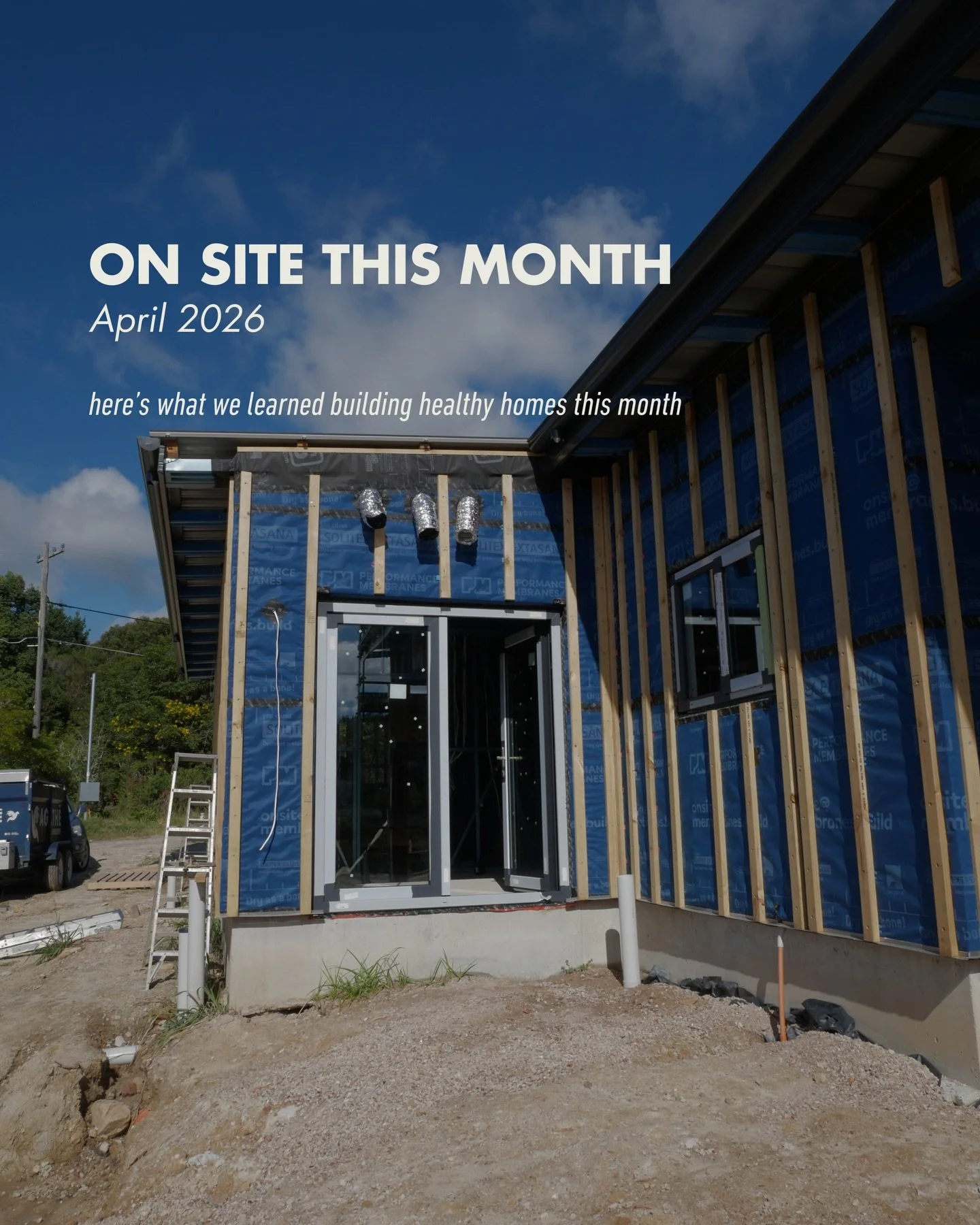
A healthy home controls air movement without trapping moisture. This typically means being airtight on the inside (to control drafts and heat loss) and vapour-permeable on the outside (to allow moisture to escape safely).
-
In most cases, no. The cost difference between a standard wall system and a moisture-managed one is often small — sometimes less than 1% of the total build cost. The real difference is knowledge and decision-making at the right stage.
FOLLOW US